
Your memoir covers pivotal moments of the Vietnamese refugee experience. What was your writing process like? Did you rely on journals, memory, interviews, or family records? What was the most challenging part of revisiting those early memories while writing the book?
This book was years in the making, and the writing process was very personal. I didn’t have a journal from when I was seven years old, so I relied on what I could remember, but I also leaned heavily on family conversations, especially with my aunts and my mom. For the early chapters, a lot of the detail comes from my Aunt Nham’s perspective, because she was the one making decisions and carrying our family through the most dangerous moments. I also pulled from whatever family records and photos still existed, knowing that many documents didn’t survive those years.
The hardest part wasn’t the writing itself, it was sitting with the emotions long enough to put them into words. There were memories I hadn’t visited in a long time, like the fear of being separated from family, the uncertainty of not knowing what would happen next, and the feeling of being a kid who couldn’t fully understand the danger, but could feel it in everyone’s body. Writing forced me to slow down and relive it, and that was heavy at times. But I also felt a responsibility to be honest, because this story isn’t just mine, it reflects what many refugee families carried with them.
The USS Midway is now a maritime museum in San Diego and, every few years, a gathering place for Vietnamese refugee families during Black April on April 30. Can you share your experience of escaping Vietnam aboard the USS Midway? How does returning to the ship today shape your reflections on freedom, opportunity, and that journey as a refugee?
Escaping Vietnam aboard the USS Midway is one of those experiences that never leaves you, even if you try to tuck it away and move forward with life. I remember the chaos at Tân Sơn Nhất, the urgency, the commands to move quickly, and the moments where you don’t get to make “perfect choices”, you just try to survive. When we were lifted into the helicopter and taken out to the ship, it was terrifying and heartbreaking at the same time, because not everyone you love is guaranteed to make it onto the next flight.
When I returned to the Midway years later, it brought everything back in a way I didn’t expect. Walking the ship as an adult, with my wife and kids beside me, I felt gratitude in my bones. It reminded me that freedom isn’t an abstract word for our community, it has a cost, a history, and real faces attached to it. Being back on that ship also made me reflect on opportunity. My family came here with nothing, just faith and the hope of safety. Standing there now, I’m reminded that the “American dream” is real, but it’s not automatic. It takes sacrifice, and it takes people, like the servicemen who rescued families like mine, and sponsors and communities who helped refugees rebuild their lives.
After arriving in the U.S., you faced language barriers, discrimination, and economic hardship. How did those early challenges shape your values and motivations later in life? How did being Amerasian influence your sense of belonging as both Vietnamese and American? What do you hope readers take away from your story, especially with refugees, immigrants, and Amerasians?
After arriving in the U.S., the challenges were immediate and very real: language barriers, being the “only one” in the room, being treated like an outsider, and trying to adjust while your family is still in survival mode financially. I still remember going to school not speaking English, feeling lost, and realizing quickly that being different made you a target sometimes. Over time, I was fortunate to have people who helped me learn and adapt, and my family pushed through in the way so many refugee families do, by working hard and not letting pride get in the way of survival.
Being Amerasian added another layer. It affects how you see yourself and how others see you. You can feel like you don’t fully belong anywhere, even when you’re trying your best. That search for identity stays with you, and for many Amerasians, it’s not just emotional, it’s tied to history, paperwork, and unanswered questions about family.
What I hope readers take away is simple: you are not defined by the worst thing that happened to you, or by what you didn’t have when you started. Refugees, immigrants, and Amerasians carry unique burdens, but we also carry resilience. I hope people see the humanity in these stories, and I hope young people, especially those who feel “in-between,” realize they can still build a full life, serve others, and create something meaningful. I also hope it encourages more compassion, because you never really know what someone had to survive just to be standing in front of you.
The mantra “Dream Big, Work Hard, Never Give Up” appears central to your story. How did you develop this mindset, and how has it guided you through your career in public service?
That mindset came from experience more than anything else. When you go through hardship early, you learn quickly that giving up doesn’t solve anything, it just closes doors that might have opened if you stayed in the fight a little longer. I watched my family take risks, start over, and keep going when it would have been easier to lose hope. That leaves an impression on you.
Throughout my career in public service, that phrase has been a guide when things got tough or when the path wasn’t clear. “Dream big” reminds me to think beyond today’s problems and aim for real improvements. “Work hard” keeps me grounded in the day-to-day effort it takes to earn trust and deliver results. And “never give up” is the part that matters most, because progress is rarely smooth. In my life and in my work, the breakthroughs often came after setbacks, and I’ve learned not to quit on a goal just because it takes time.
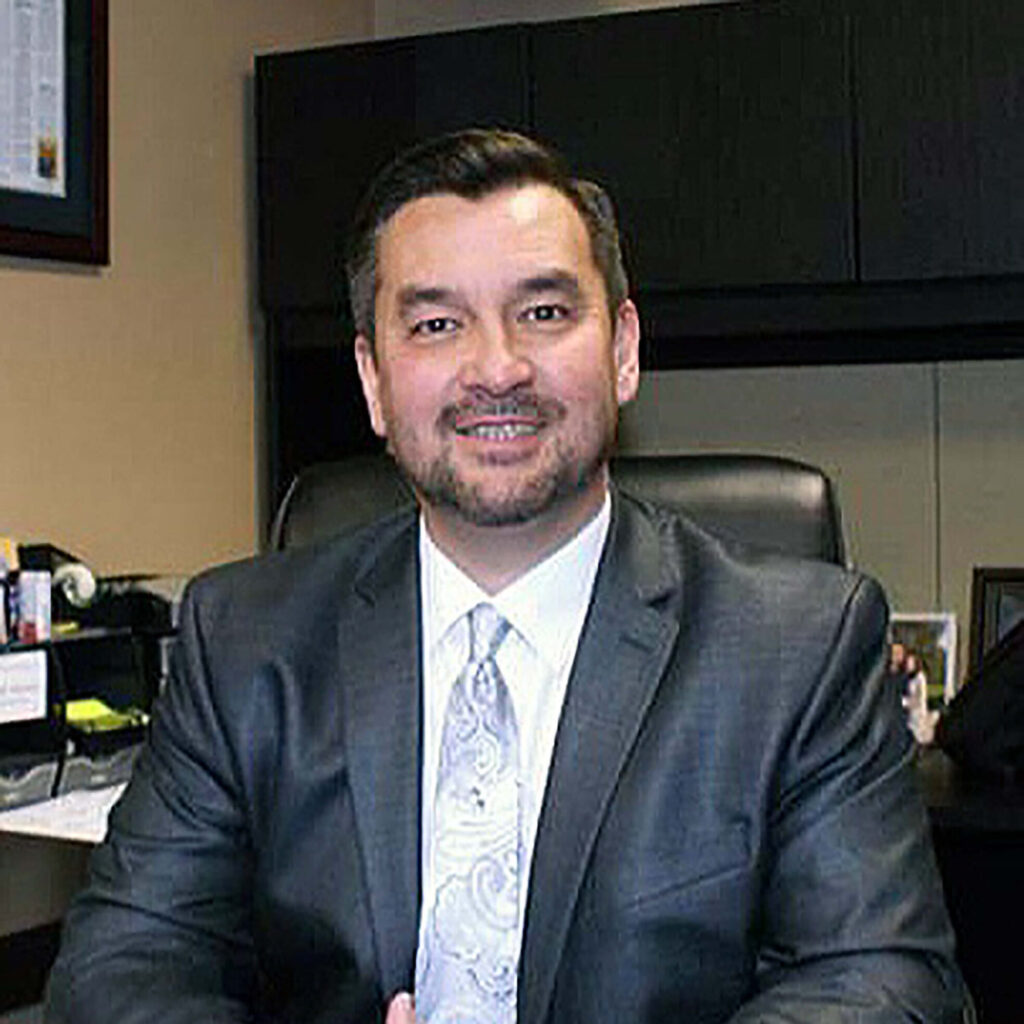
Hugh Nguyen is the Orange County Clerk-Recorder and the author of My Unforgettable Journey: A Long Way From Home. Born in Vietnam in 1967, he witnessed the fall of Saigon as a child and was evacuated during Operation Frequent Wind, resettling in California with his grandmother and extended family. Growing up as an Amerasian kid, he learned early what it feels like to be between worlds, carrying questions about identity, belonging, and purpose.
Nguyen began his public-service career in 1993 with the Orange County Clerk-Recorder’s Office. Over three decades, he advanced through leadership roles focused on access, efficiency, and customer service. Appointed Clerk-Recorder in 2013, he became the first Vietnamese American in the nation elected to the position in 2014. Under his leadership, the office has expanded Saturday service, launched mobile outreach and digital tools, and strengthened transparency so residents can obtain vital records, passports, and business filings with fewer barriers.
His memoir highlights the people and moments that shaped him: family sacrifice, faith, community support, and the determination to keep going when the odds are not in your favor. In 2018, after nearly 50 years, he reunited with his American father through a DNA match, adding an unexpected and deeply personal chapter to his story.
This interview was conducted by Alan Trinh, Viet Book Fest’s Program Manager, as part of the Author Spotlight series. All featured authors participated in Viet Book Fest 2026, a literary event presented by the Vietnamese American Arts and Letters Association (VAALA).
Join us on Sunday, April 12, 2026, from 10 AM to 5 PM at the Bowers Museum in Santa Ana, California for a full day honoring Vietnamese storytelling and culture in literature.
Viet Book Fest 2026 offers a full day of programming focused on Vietnamese literature, storytelling, and culture. Attendees can participate in five panel discussions, enjoy interactive activities for children, and experience youth performances that showcase Vietnamese traditions and creativity. The festival also provides a space for community collaborations, where participants can create their own art and engage in hands-on projects.